
Medication-Assisted Treatment (MAT) & MOUD: Understand Your Options
Opioid use disorder is a treatable medical condition, and medications can be an important part of effective treatment.
MAT Clinic Guide helps you understand methadone, buprenorphine and buprenorphine/naloxone products such as Suboxone, long-acting buprenorphine injections including Sublocade and Brixadi, and extended-release naltrexone such as Vivitrol.
You can also learn how treatment works, where different medications are available, what telehealth may allow, how insurance can affect costs, and how to explore treatment options near you.
Methadone, buprenorphine, and naltrexone are FDA-approved medications for opioid use disorder. Medication treatment has been associated with improved treatment retention and reduced opioid use, and methadone and buprenorphine are associated with reduced overdose mortality.
Explore Opioid Treatment Options
Share a few basic details so a treatment navigator or participating provider can follow up about potential options.
Find Your Treatment Options
Answer a few short questions to get started. No obligation.
MAT Clinic Guide is an educational and treatment-navigation resource. We are not a medical provider and do not diagnose, prescribe, or provide treatment.

What Is Opioid Use Disorder?
Opioid use disorder, or OUD, is a chronic, treatable medical condition involving a problematic pattern of opioid use that causes significant impairment or distress.
It can involve prescription opioids, heroin, fentanyl, or other opioids. OUD can affect anyone, and recovery is possible with appropriate treatment.
Learn More About Opioid Use Disorder →What OUD Is
A clinician evaluates a pattern of symptoms, rather than deciding based on one behavior. A website cannot diagnose opioid use disorder.
Possible Signs
Possible features can include strong cravings, difficulty reducing opioid use, using more or longer than intended, continued use despite problems, substantial time spent obtaining or using opioids, difficulty meeting responsibilities, tolerance, or withdrawal.
Important: tolerance or withdrawal alone—particularly when opioids are taken under appropriate medical supervision—should not be used by a website to declare that someone has OUD.
Why Overdose Risk Matters
Illegally made fentanyl is highly potent and can appear in other illicit drugs or counterfeit pills without the person's knowledge.
This increases the importance of overdose prevention, naloxone access, and evidence-based OUD treatment.
What Is MAT, and What Does MOUD Mean?
The terms are related, but they are not technically identical.
MOUD
MOUD means medications for opioid use disorder. SAMHSA uses this term for the FDA-approved medication categories: methadone, buprenorphine, and naltrexone.
MAT
Medication-Assisted Treatment, or MAT, is an older and broader term often used for medication combined with counseling, behavioral treatment, or other services.
SAMHSA notes that “MAT” has been criticized because the word assisted can make medication sound secondary, even though medications themselves are core evidence-based treatment for OUD.

Is MOUD “Trading One Addiction for Another”?
That framing is misleading. Methadone and buprenorphine are opioid medications, but when appropriately prescribed and monitored for OUD they are evidence-based medical treatment.
SAMHSA explicitly states that medications for substance use disorders are evidence-based treatments and should not simply be characterized as replacing one drug with another.
Important Treatment Principle
Counseling and psychosocial services can be helpful, but CDC guidance says declining counseling—or counseling being unavailable—should not prevent or delay medication treatment for OUD.

Medications Used to Treat Opioid Use Disorder
There is no single medication that is right for everyone.
Medication selection should involve a qualified clinician and consider current opioid use, previous treatment, other medications, health conditions, treatment preferences, treatment setting, and practical access.
FDA lists methadone, buprenorphine products, and extended-release injectable naltrexone among approved medication options for OUD.
Methadone
Methadone is a full opioid agonist used to reduce opioid withdrawal and cravings.
For OUD in the United States, methadone treatment is provided through certified Opioid Treatment Programs (OTPs). Take-home decisions are individualized by the treating OTP practitioner and may also be affected by state requirements.
Learn About Methadone Treatment →Buprenorphine / Suboxone
Buprenorphine is a partial opioid agonist that can reduce cravings and withdrawal. Suboxone is a combination of buprenorphine and naloxone.
Buprenorphine can be prescribed in office-based settings by clinicians with appropriate prescribing authority, and the old federal X-waiver requirement has been removed.
Learn About Buprenorphine & Suboxone →Sublocade
Sublocade is an extended-release buprenorphine injection administered by a healthcare professional and is generally given monthly.
Current FDA labeling allows Sublocade for patients who have initiated treatment with a single transmucosal buprenorphine dose or who are already receiving buprenorphine; exact initiation should be handled clinically.
Learn About Sublocade →Brixadi
Brixadi is another extended-release buprenorphine injection with weekly and monthly formulations.
FDA labeling distinguishes how new patients may start the weekly formulation versus when the monthly formulation is appropriate, so initiation should be clinician-directed.
Learn About Brixadi →Naltrexone / Vivitrol
Naltrexone is an opioid antagonist. Extended-release injectable naltrexone, commonly known by the brand Vivitrol, is FDA-approved for OUD.
An opioid-free period is required before initiation because starting naltrexone while opioids are still present can precipitate withdrawal. Initiation should be managed by a clinician.
Learn About Naltrexone & Vivitrol →Counseling & Recovery Support
Medication may be combined with individual therapy, mental health services, peer support, case management, recovery services, or other behavioral healthcare according to the person's needs.
Counseling should not be presented as a prerequisite someone must complete before receiving MOUD.
Methadone vs. Buprenorphine vs. Naltrexone
There is no universally “best” OUD medication. The appropriate option depends on individual clinical and practical circumstances.
| Feature | Methadone | Buprenorphine | Extended-Release Naltrexone |
|---|---|---|---|
| Medication type | Full opioid agonist | Partial opioid agonist | Opioid antagonist |
| Main access setting | Certified OTP for OUD | Office-based clinician, OTP, or other permitted setting | Qualified prescriber / clinic |
| Helps with withdrawal & cravings | Yes | Yes | Blocks opioid effects after initiation |
| Opioid-free period before starting | Generally not required in the same way as naltrexone | Initiation depends on current opioid exposure and clinical protocol | Required |
| Long-acting injection | Not in standard OUD treatment | Sublocade monthly; Brixadi weekly/monthly | Vivitrol monthly |
| Take-home / prescription structure | OTP-based; take-home eligibility individualized | Prescription or provider-administered formulation depending product | Provider-administered XR injection |
Medication facts are based on SAMHSA, CDC and FDA guidance.
Explore MAT and MOUD Resources by State
Access can differ by state because of provider availability, Medicaid programs, state regulations, telehealth rules, and local OTP availability.
Featured States
How Medication Treatment for OUD Works
The exact process varies by medication and treatment setting, but treatment often includes several stages.

Assessment
A healthcare professional may review opioid use, withdrawal, overdose history, other substances, health conditions, medications, mental health, previous treatment, and treatment preferences.
Selecting and Starting Treatment
If medication is appropriate, the clinician discusses available options and manages initiation based on the medication, recent opioid exposure, health considerations, and treatment setting.
Procedures differ among methadone, buprenorphine and naltrexone, so not every medication start should be described as “induction.”
Stabilization and Treatment Planning
Follow-up can address withdrawal, cravings, side effects, medication response, overdose prevention, mental health, and practical recovery needs.
Ongoing Treatment
OUD medication does not have a universal stop date. MOUD may continue for months, years, or longer depending on the individual's needs.

Can You Start OUD Medication Through Telehealth?
For some medications and situations, yes. But the rules differ by medication, clinician, state, and treatment setting.
Buprenorphine and Telehealth
As of September 2026, HHS and DEA's current temporary telemedicine flexibilities permit certain controlled-medication prescriptions without a prior in-person evaluation when federal requirements and applicable state law are satisfied.
The current temporary extension runs through December 31, 2026.
What About Methadone?
Methadone for OUD remains OTP-based. Some assessment, counseling, and other parts of OTP care may use telehealth where permitted, but methadone for OUD is dispensed through the OTP rather than prescribed for ordinary retail-pharmacy pickup.
SAMHSA's current rules also allow clinicians greater flexibility around take-home methadone based on patient-centered clinical judgment.
Learn About Telehealth MAT →Opioid Overdose: Recognize the Signs and Know What to Do
Possible opioid-overdose signs include inability to wake, very slow or stopped breathing, choking or gurgling sounds, color changes around lips or nails, and very small pupils.
If You Suspect an Opioid Overdose
Give naloxone if available and call 911 immediately.
- Try to keep the person breathing.
- Place them on their side to reduce choking risk.
- Stay with them until emergency help arrives.
- If normal breathing has not returned after approximately 2–3 minutes, another naloxone dose may be needed according to the product instructions.
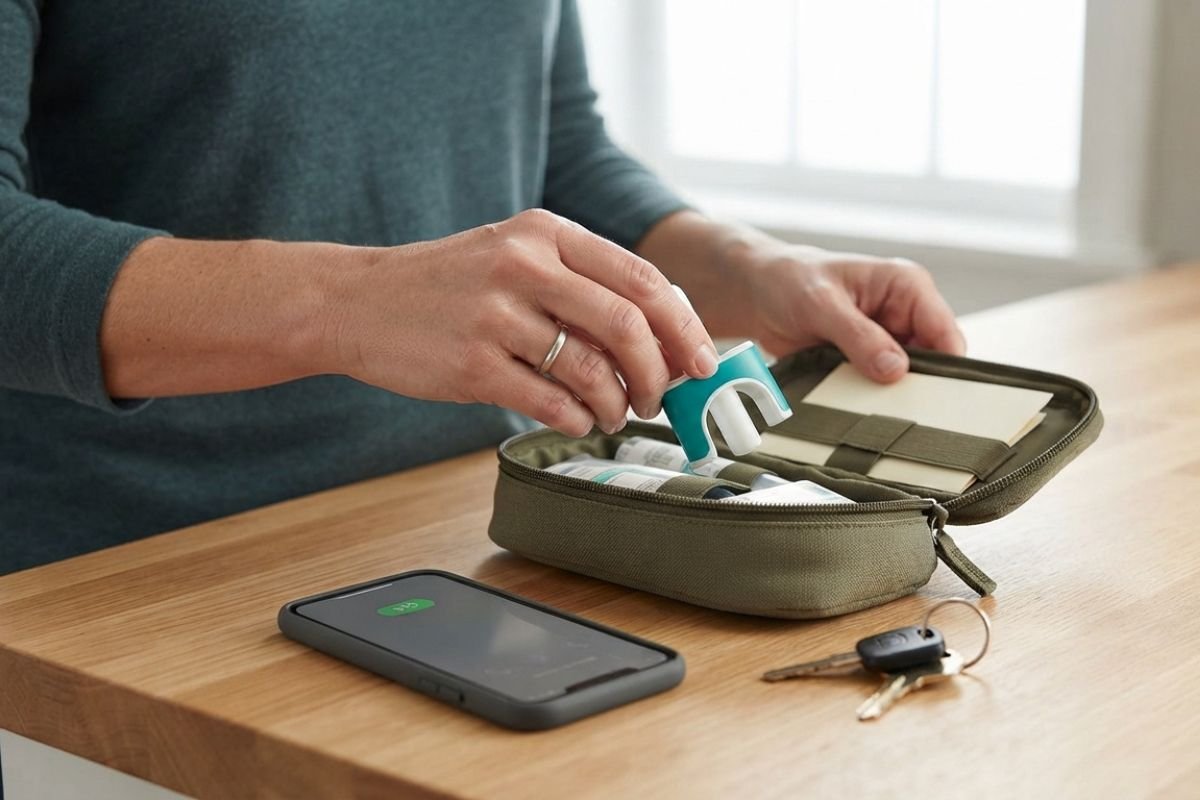
Naloxone
Naloxone can quickly reverse an opioid overdose and is available over the counter in the United States. More than one dose can sometimes be necessary.

How Much Does MAT Cost, and Does Insurance Cover It?
There is no single national price for OUD medication treatment.
Cost can depend on medication, provider type, OTP services, appointments, counseling, lab testing, insurance, pharmacy benefits, deductibles, copays, and provider network.
Medicaid
Medicaid is a major payer for OUD treatment. Coverage and utilization rules can vary by state, medication, provider, and Medicaid program, so not every patient automatically receives every medication without restrictions.
Medicare
Medicare covers OUD medications and related treatment in multiple settings. Part B covers qualifying services provided through Medicare-enrolled OTPs, and Part D may cover certain take-home medications such as buprenorphine and naltrexone depending on the plan.
Private Insurance
Federal behavioral-health parity rules can affect how plans manage mental health and substance-use benefits, but they do not mean every insurer must pay for every medication, clinic, or treatment service. Actual benefits depend on the plan.
Self-Pay
Some programs may offer sliding-scale pricing, payment arrangements, community assistance, or other financial options.
Insurance verification is not a guarantee of authorization, medication coverage, provider participation, or final patient cost.
Supporting Someone You Care About
Many people researching opioid treatment are searching on behalf of a partner, parent, adult child, sibling, friend, or another loved one.
Start With a Calm Conversation
Focus on what you have noticed and what support may be available rather than shaming, threatening, or trying to diagnose the person yourself.
Keep Naloxone Available
CDC recommends naloxone education and access for people at risk of opioid overdose and those close to them.
Learn About Treatment Options
Family members can research methadone, buprenorphine, naltrexone, local providers, insurance, and overdose-prevention resources.
Understand Privacy Boundaries
Treatment providers may have legal limits on what they can disclose to family members without patient permission.

Download the MAT & MOUD Treatment Guide
A plain-language resource covering methadone, buprenorphine and Suboxone, long-acting injections, naltrexone, telehealth, insurance basics, overdose prevention, and questions to ask a provider.
- Methadone
- Buprenorphine & Suboxone
- Long-Acting Injections
- Naltrexone
- Telehealth & Insurance
Download the Free Guide
Get a plain-language overview of medication-assisted treatment options.
Review the form's consent and privacy disclosure before submitting. The guide form should collect only the information needed for the actual guide-delivery workflow.
Frequently Asked Questions About MAT and MOUD
What is medication-assisted treatment?
MAT is a commonly used term for treating substance use disorders with medications and supportive services. For opioid use disorder specifically, the more precise current term is often MOUD—medications for opioid use disorder.
What medications are FDA-approved for opioid use disorder?
FDA-approved medication categories include methadone, buprenorphine, and naltrexone.
Is MAT the same as MOUD?
Not exactly. MOUD refers specifically to the medications used to treat OUD. MAT is a broader, older term often used for medication plus counseling or behavioral services.
Is methadone or buprenorphine better?
Neither is universally appropriate for everyone. Medication selection should be individualized according to health, opioid use, treatment history, preferences, access, and clinician assessment.
What is Suboxone?
Suboxone is a medication containing buprenorphine and naloxone used in treating opioid use disorder.
What is Sublocade?
Sublocade is a provider-administered extended-release buprenorphine injection generally given monthly. Current FDA initiation requirements should be managed by the prescribing clinician.
What is Brixadi?
Brixadi is extended-release injectable buprenorphine available in weekly and monthly formulations.
What is Vivitrol?
Vivitrol is an extended-release injectable form of naltrexone. For OUD, an appropriate opioid-free period is required before starting naltrexone.
Can buprenorphine be started through telehealth?
Current federal telemedicine flexibilities allow qualifying controlled-medication prescribing through telemedicine under specified conditions through December 31, 2026, subject to state and other requirements.
Can methadone be prescribed through a regular online doctor?
Methadone used specifically to treat OUD remains provided through certified OTPs. Telehealth may support some parts of OTP care, but methadone is not treated like an ordinary retail-pharmacy prescription for OUD.
How long do people stay on MOUD?
There is no universal treatment duration. Medication may continue for months, years, or longer depending on the individual's clinical needs and treatment plan.
Do I have to attend counseling to receive medication?
Behavioral treatment can be valuable, but CDC guidance says declining counseling or lack of available counseling should not prevent or delay access to medication for OUD.
Is MOUD replacing one addiction with another?
No. Methadone and buprenorphine are opioid medications, but when appropriately used to treat OUD they are evidence-based treatments associated with improved outcomes.
Does insurance cover MOUD?
Many plans provide OUD-treatment benefits, but medication coverage, provider participation, prior authorization, deductibles, copays and other requirements vary.
Is MAT Clinic Guide a treatment provider?
No. MAT Clinic Guide is an educational and treatment-navigation resource.
What happens if someone overdoses?
Give naloxone if available and call 911 immediately. Stay with the person and support breathing while emergency help is on the way.
Information You Can Evaluate and Verify
Our Source Approach
Clinical content should primarily rely on authoritative organizations such as SAMHSA, FDA, CDC, NIDA, CMS / Medicare / Medicaid, ASAM, and HHS / DEA for current controlled-medication regulations.
Editorial Review
MAT Clinic Guide content is edited for clarity, consistency, and alignment with cited public-health and regulatory sources before publication.
Written by: MAT Clinic Guide Editorial Team
Last Updated: September 2026
Policy-Sensitive Content
These topics should carry visible update dates and be reviewed when rules change:
Ready to Learn About Opioid Treatment Options?
Explore medication options, treatment settings, telehealth information, insurance considerations, and local resources.
Exploring treatment options does not guarantee admission, a prescription, a particular medication, insurance coverage, or a specific treatment outcome.